 济南易享医疗科技有限公司
服务热线:李先生18553158035
联系地址:济南市市中区欧亚大观商都
村医如何利用随访包对慢病患者进行健康干预
村医利用随访包对慢病患者进行健康干预是一个系统性、连续性的过程,旨在帮助患者有效控制病情、提高生活质量。以下是一个详细的步骤指南:
The use of follow-up packages by village doctors for health interventions in chronic disease patients is a systematic and continuous process aimed at helping patients effectively control their condition and improve their quality of life. Here is a detailed step-by-step guide:
一、准备阶段
1、 Preparation stage
1、设备检查:
1. Equipment inspection:
确保随访包内的医疗设备(如血压计、血糖仪、心电图仪等)功能完好,电池电量充足。
Ensure that the medical equipment (such as blood pressure monitors, blood glucose meters, electrocardiographs, etc.) in the follow-up package are functioning properly and have sufficient battery power.
检查所需耗材(如试纸、电极片等)是否充足,确保随访过程中能够准确、快速地测量患者的生理指标。
Check if the required consumables (such as test strips, electrode pads, etc.) are sufficient to ensure accurate and rapid measurement of the patient's physiological indicators during the follow-up process.
2、资料整理:
2. Data organization:
提前整理好需要随访的慢性病患者的个人信息、病史资料及之前的检查记录。
Organize the personal information, medical history, and previous examination records of chronic disease patients who require follow-up in advance.
确保患者联系方式的准确性,以便在需要时及时联系。
Ensure the accuracy of patient contact information for timely communication when needed.
二、现场随访与健康评估
2、 On site follow-up and health assessment
1、现场随访:
1. On site follow-up:
携带随访包前往患者家中或约定地点进行随访。
Carry the follow-up package to the patient's home or designated location for follow-up.
使用随访包内的医疗设备对患者进行健康检查,包括血压、血糖、心率等生理指标的测量。
Use the medical equipment in the follow-up package to conduct health checks on patients, including measurements of physiological indicators such as blood pressure, blood glucose, and heart rate.
2、详细询问:
2. Detailed inquiry:
询问患者的病情变化、用药情况、生活习惯等。
Inquire about changes in the patient's condition, medication use, lifestyle habits, etc.
关注患者的心理状态,了解其对疾病的认知和态度。
Pay attention to the psychological state of patients and understand their cognition and attitude towards the disease.
3、健康评估:
3. Health assessment:
根据现场测量的数据和患者的描述,对患者的健康状况进行全面评估。
Conduct a comprehensive assessment of the patient's health status based on on-site measurement data and patient descriptions.
判断患者的病情是否稳定,是否需要调整治疗方案。
Determine whether the patient's condition is stable and whether adjustments to the treatment plan are necessary.
三、制定个性化健康干预计划
3、 Develop a personalized health intervention plan
1、药物治疗方案:
1. Drug treatment plan:
根据患者的疾病类型、病情严重程度和治疗反应,制定个性化的药物治疗方案。
Develop personalized medication treatment plans based on the patient's disease type, severity, and treatment response.
向患者解释用药的目的、方法和注意事项。
Explain the purpose, methods, and precautions of medication to the patient.
2、非药物治疗方案:
2. Non pharmacological treatment plan:
制定个性化的非药物治疗方案,如饮食调整、运动锻炼、心理支持等。
Develop personalized non pharmacological treatment plans, such as dietary adjustments, exercise, psychological support, etc.
提供具体的指导和建议,帮助患者改善生活方式。
Provide specific guidance and advice to help patients improve their lifestyle.
3、预防措施:
3. Preventive measures:
针对患者可能出现的并发症,制定预防与应对措施。
Develop prevention and response measures for potential complications in patients.
强调定期筛查的重要性,及时发现并处理潜在的健康问题。
Emphasize the importance of regular screening to promptly identify and address potential health issues.
四、执行与跟踪
4、 Execution and Tracking
1、执行计划:
1. Execution Plan:
鼓励患者按照制定的健康干预计划执行。
Encourage patients to follow the established health intervention plan.
提供必要的支持和资源,如健康教育资料、运动器材等。
Provide necessary support and resources, such as health education materials, sports equipment, etc.
2、定期随访:
2. Regular follow-up:
根据患者的病情和治疗需求,制定个性化的随访计划。
Develop personalized follow-up plans based on the patient's condition and treatment needs.
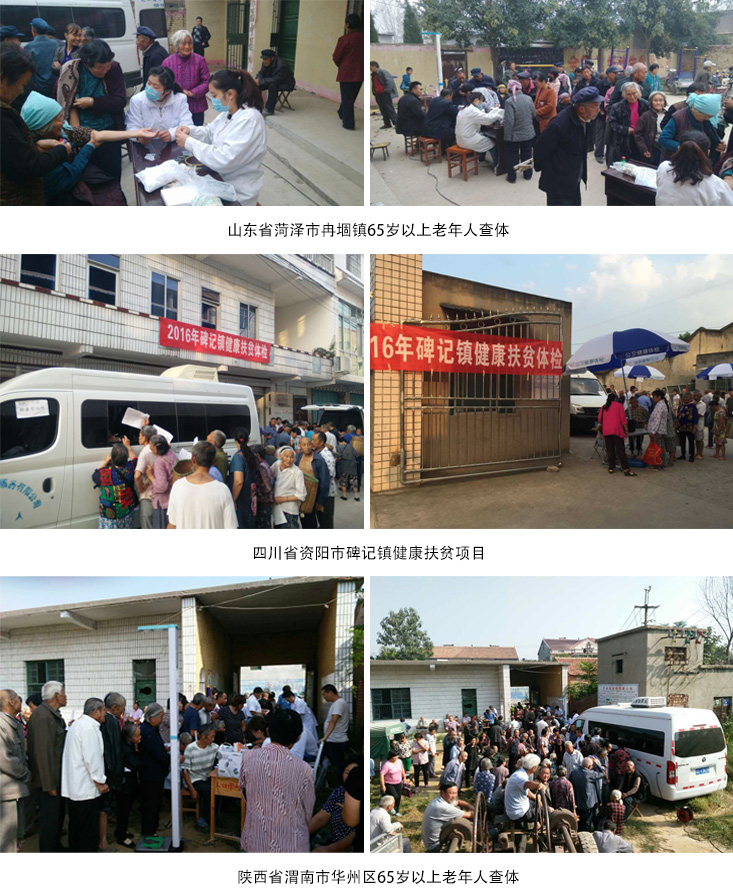
定期对患者进行随访,评估健康干预计划的效果。
Regularly follow up with patients to evaluate the effectiveness of health intervention plans.
3、调整计划:
3. Adjustment plan:
根据患者的反馈和随访结果,及时调整治疗方案和随访计划。
Adjust treatment plans and follow-up plans in a timely manner based on patient feedback and follow-up results.
确保患者得到最适合自己的治疗和管理,提高治疗效果和生活质量。
Ensure that patients receive the most suitable treatment and management for themselves, improve treatment effectiveness and quality of life.
五、健康教育与宣传
5、 Health Education and Promotion
1、普及慢性病知识:
1. Popularize knowledge of chronic diseases:
向患者及其家属普及慢性病的相关知识。
Promote knowledge about chronic diseases to patients and their families.
提高患者的健康意识和自我管理能力。
Improve patients' health awareness and self-management ability.
2、发放健康教育资料:
2. Distribute health education materials:
发放宣传手册、视频等健康教育资料。
Distribute health education materials such as brochures and videos.
方便患者随时学习和参考,促进病情的稳定和好转。
Convenient for patients to learn and refer to at any time, promoting the stability and improvement of their condition.
村医利用随访包对慢病患者进行健康干预是一个综合性的过程,涉及准备、评估、制定计划、执行与跟踪以及健康教育等多个环节。通过这一系列步骤的实施,村医可以为慢性病患者提供更加高效、精准和个性化的医疗服务,帮助他们有效控制病情、提高生活质量。
The use of follow-up packages by village doctors for health intervention of chronic disease patients is a comprehensive process that involves preparation, evaluation, planning, implementation and tracking, as well as health education and other aspects. Through the implementation of this series of steps, village doctors can provide more efficient, precise, and personalized medical services for chronic disease patients, helping them effectively control their condition and improve their quality of life.