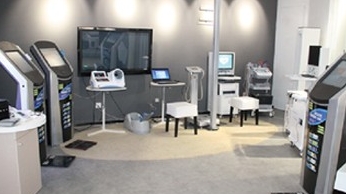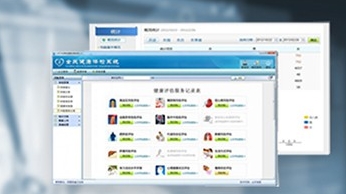
The public health follow-up box (also known as the smart follow-up box) is a portable intelligent integrated device designed specifically for grassroots public health services. Through the deep integration of the Internet of Things, big data and mobile Internet technology, it upgraded the traditional follow-up tool to a "mobile workstation" integrating information collection, health examination and data upload, effectively opening up the "last mile" of grassroots health management.
In terms of hardware configuration, the public health follow-up box adopts a highly integrated design, which is small but fully equipped with all five organs. It is usually equipped with interactive devices such as tablets or laptops, second-generation ID card readers, high-definition cameras, and seamlessly integrates basic detection instruments such as electronic blood pressure monitors, blood glucose meters, oximeters, thermometers, weight scales, and even portable electrocardiographs. Some upgraded models are also equipped with traditional Chinese medicine rehabilitation therapy equipment to meet the diverse needs of grassroots diagnosis and treatment. This integrated portable design allows medical personnel to easily complete the entire process of physical examination when going to the countryside and entering households with just one box.
At the functional application level, the public health follow-up box has completely overturned the inefficient mode of "paper and pen recording+manual input" in the past. Doctors can quickly retrieve or establish health records by scanning residents' ID cards on site; The detection data of various physical signs is transmitted in real-time to the system terminal through Bluetooth, without the need for secondary manual input; With the help of 4G/WiFi network or offline temporary storage technology, data can be synchronized with one click to the national basic public health service platform and chronic disease management system. This not only greatly improves the efficiency of single follow-up, but also eliminates problems such as omissions and errors from the source, ensuring the authenticity and standardization of public health data.